Yuggothic
A working corpus and lexicon for the invented ritual language Michael Aquino built for The Satanic Rituals in 1972, which later hands have continued.
To find out how much of a language is actually there, by aligning every attested Yuggothic line against the English printed beside it, and recording what the alignment yields.
Yuggothic is not claimed here as a real language, nor as anything Lovecraft intended. It is treated as what it is: a constructed ritual vocabulary with a documented author, used in a living practice that reads these rites psychologically.
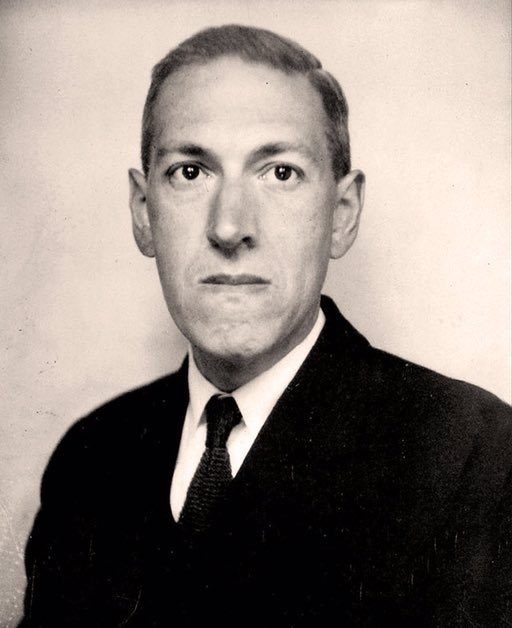
Lovecraft
Ph'nglui mglw'nafh Cthulhu R'lyeh wgah'nagl fhtagn.
Michael Aquino, 1972
The Ceremony of the Nine Angles, The Call to Cthulhu
Michael Aquino, 1977
“Lovecraftian Ritual”, the glossary and decoding
Toby Chappell, 2019
new rites in chapters 7 and 8
Timothy McGranahan, 1992
“Ye Yuggothic Lexicon”, Runes 10.1; the R'lyehian alphabet
John J. Coughlin, 2004
Rite of Yog-Sothoth
Ph'nglui mglw'nafh Cthulhu R'lyeh wgah'nagl fhtagn.
Lovecraftian names, chants, and prose establish the primary canon and sound world: they govern flavor and admissible strangeness, but rarely provide grammar by themselves.
Lovecraft glossed whole sentences and never a word, and said his names were human approximations of inhuman sound.
Aquino's own account of the terms he coined, restructured from the running prose of “Lovecraftian Ritual” into one block per term.
| Fhagn | Root for concepts of night and dreaming, taken directly from the HPL incantation. | AG-05 |
| F’ung | Root for “speak/speech,” being a new translation of the title Fungi from Yuggoth. | AG-14 |
| Zhri | “Cry,” taken from zhro of the Descending Node incantation in The Case of Charles Dexter Ward. | AG-12 |
| Hu-ehn | “Name” from “hue” (color) from “The Color Out of Space.” | AG-20 |
| Y’goth-e | From “Yuggoth,” here identified with the Left-Hand Path of Black Magic. | AG-21 |
| Cylth | “Deep Ones,” a racial name derived from “Cthulhu.” | AG-28 |
| Zaan | “Plane,” a tribute to HPL’s magical violinist. | AG-25 |
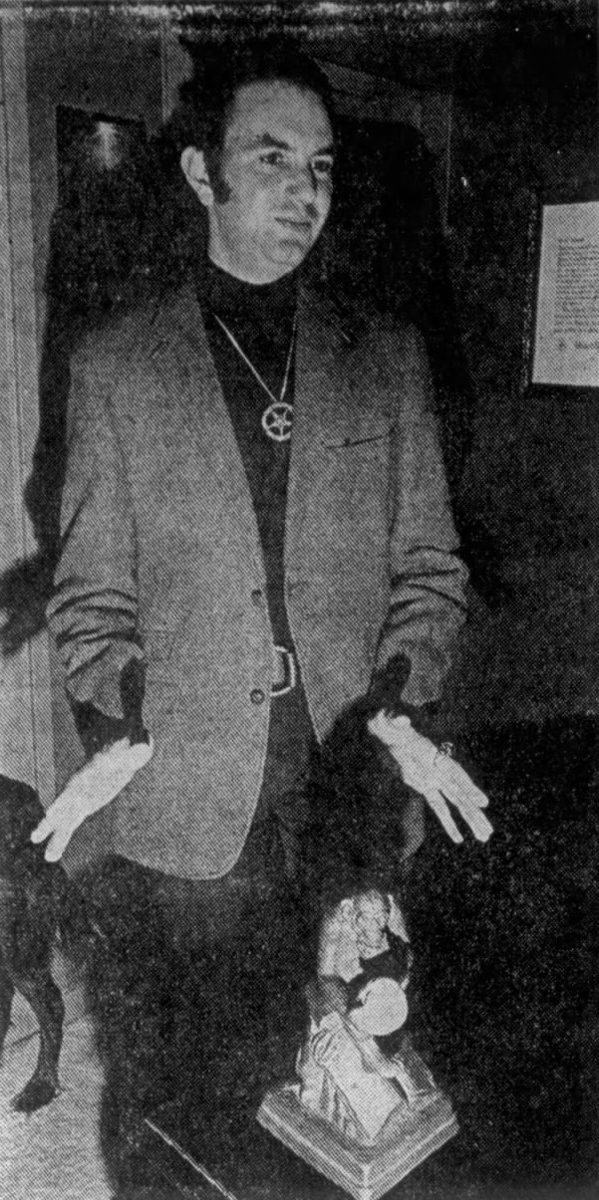
The Ceremony of the Nine Angles
The Seal is again the pentagram, intrinsically defining the Φ- trapezoid.
The Call to Cthulhu
The theme of The Call to Cthulhu is that of a “casting back” through collective, “racial” memory to the rupture of mankind from the beasts of nature.
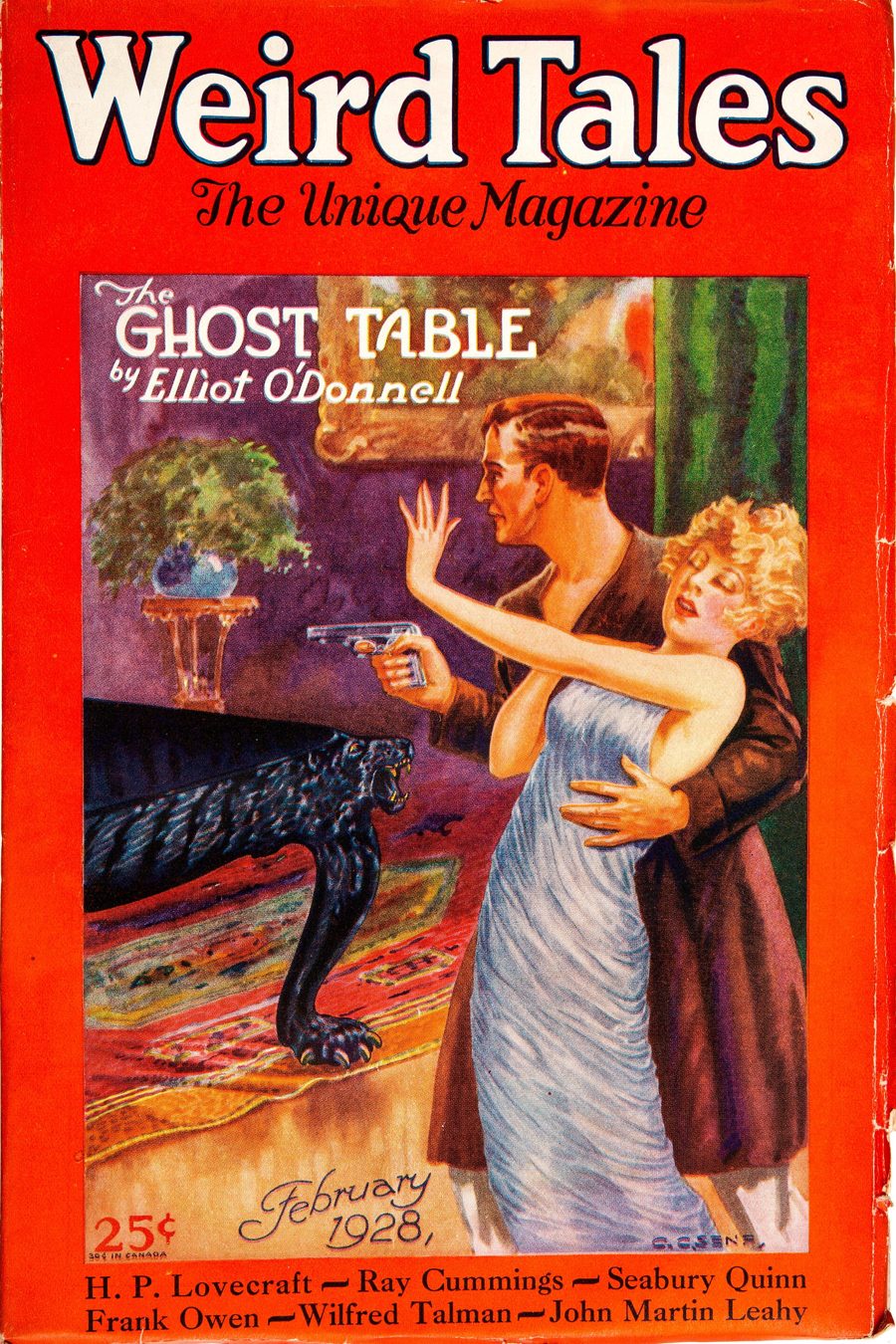
fhtagn
Lovecraft
Ph'nglui mglw'nafh Cthulhu R'lyeh wgah'nagl fhtagn.
A Lovecraft word becomes usable as a Yuggothic element only where Aquino took it in: fhtagn is Aquino's root for night, sleep and dreaming (AG-05, attested in his own compounds n'fhtagn-gha, fhtagn-w'gah, fhtagni-kar'n, fhtag's), and in composition it carries that sense and no other.
Chappell's rites mix verbatim Aquino with his own composition, sometimes in the same rite.
The possessive V- prefix is the strongest: Aquino states the rule, the Bond uses it nine times on the angle names, and Chappell inflects on it himself.
| Vuy-kin’eh | “V” prefix denotes possessive case in Yuggothic, “Kin” (angle) from the Greek root for “kinetic” (contained) energy. | AG-07 |
Rite of Yog-Sothoth
Coughlin (JC-01, JC-09) glosses his own use “were, are, shall be”, which is the Call's reading, and is the only independent witness: Chappell's TC-08 and TC-11 requote CNA-09 with its English and add no evidence of their own.
aem'nh “father” reaches six further forms including Coughlin's K'aem'nhi, which is the only place a second hand inflects on a term from the glossary.
lexicon not held. Internal to the Order of the Trapezoid. Alphabet held, as Appendix F of Chappell
A published lexicon already exists and is out of reach. What is built here is built from the printed rites, and where it gets stuck, it says so.
380 distinct Yuggothic forms are attested.
307 of them appear in exactly one utterance, which is the single most important fact about this language and the reason the lexicon is tiered rather than alphabetical.
Alignment needs two contexts to intersect; with one there is nothing to work on and any gloss is a guess.
Tiering
What is left is a recoverable core of 73 forms in two or more distinct contexts, 41 of them used by more than one writer, plus four patterns that behave like grammar.
| Tier | Meaning | Entries |
|---|---|---|
| A | Corroborated: two or more contexts and either two hands or Aquino's own gloss | 48 |
| B | One hand, several contexts | 25 |
| C | Glossed by Aquino, not confirmable from the texts | 9 |
Roots Aquino names as roots
In his 1977 article Aquino names six roots outright rather than glossing words, and takes several phrases apart into pieces he explains.
| Root | Gloss | Forms | Hands |
|---|---|---|---|
| f'ung- | speak / speech (AG-14) | 11 | Aquino, Chappell |
| kin | angle (AG-07) | 6 | Aquino, Chappell |
| fha'gn- | night / dreaming (AG-05) | 5 | Aquino, Chappell, Coughlin |
| naagh- | Abyss (AG-13) | 5 | Aquino, Chappell |
| phragn | being / existing (AG-04) | 4 | Aquino, Chappell |
| quz | death (AG-09) | 4 | Aquino |
| kh'reng | blackness / darkness (AG-10) | 2 | Aquino, Chappell |
59 of the 307 once-attested forms carry a root he names.
The honest summary is that a small centre is genuinely there and the long tail is not, and the lexicon says which is which on every entry.
Yuggothic to English is evidence.
Nothing enters this direction except through a cited utterance.
English to Yuggothic is construction.
Writing new ritual text needs words the corpus never printed.
| Status | Meaning |
|---|---|
| Productive | an attested rule applied to attested material |
| Reconstructed | built from attested lexical material, though the form itself is unprinted |
| Coined | no attested material underneath; a sound-shape from the phonotactic rules |
| Enochian | a real Dee and Kelley word, confirmed in Laycock's dictionary, respelled |
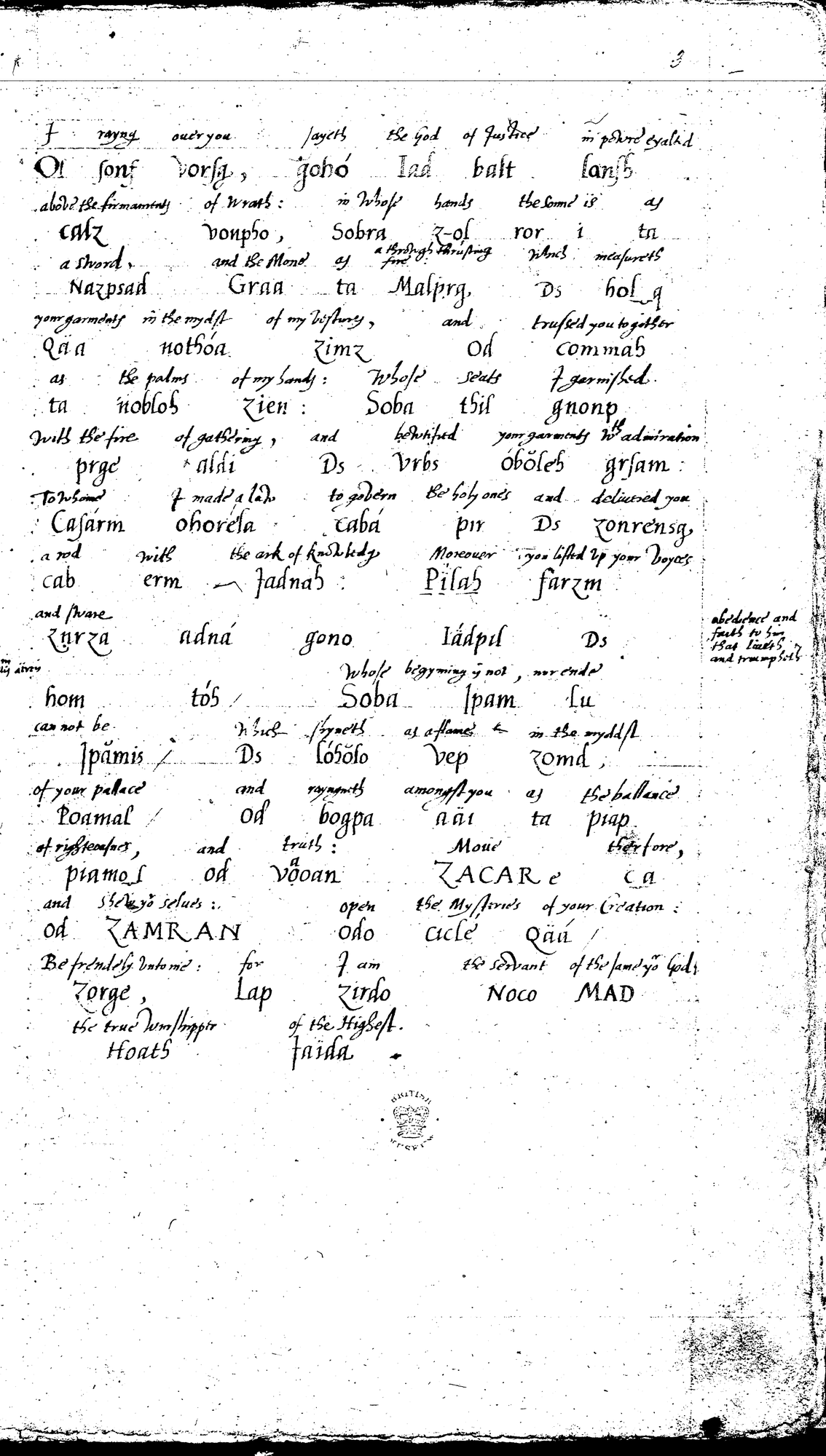
Key One
The nineteen Dee and Kelley Enochian Keys have been translated this way in full, as a test of the grammar at length.
Move, therefore, and show yourselves; open the mysteries of time and space; be a teacher unto me, for I am the blood-kin of the same, the Great Old Ones, a true caller to the centre of Chaos.
Lyrath fha'gnu; fha'gnu kin-phragn v'drethain K'aem'nhi, saelithain khresh'tan v'velthara v'naagh.
Attestation count on every entry. A form seen once cannot be told from a typo.
No paradigm from a single attestation. The same word family can carry several printed forms before a pattern is secure.
Hand and document on every citation. Never a merged gloss. Distinguishing inheritance from drift is the whole point, and a merged entry destroys it.
Loose about meaning, strict about attribution. Semantics here are provisional and are allowed to be. Provenance is not.